 The Clear Roads Technical Advisory Committee met April 13-15 to select research projects for 2021 funding. The TAC selected seven new projects:
- Grip Sensor Technology and Salt Applications
- Best Practices for Protecting DOT Equipment from the Corrosive Effects of Chemical Deicers (Update to CR 13-04)
- Efficacy and Environmental Impact of Non-Chloride Deicers
- Training Module Development for CR 18-03: Evaluation of SSI and WSI Variables
- Evaluation of Electric Vehicle Technologies for Winter Operations
- Calculating Plow Cycle Times from AVL Data
- Determining the Migration of Chloride-Based Deicers Through Different Soil Types Adjacent to Chloride-Treated Roadways
More information about these projects is available in the 2021 All Proposed Projects summary. Requests for investigator proposals for the seven new projects will be posted this summer.
The agenda, budget and minutes from the spring meeting are available on the Clear Roads Meetings page.
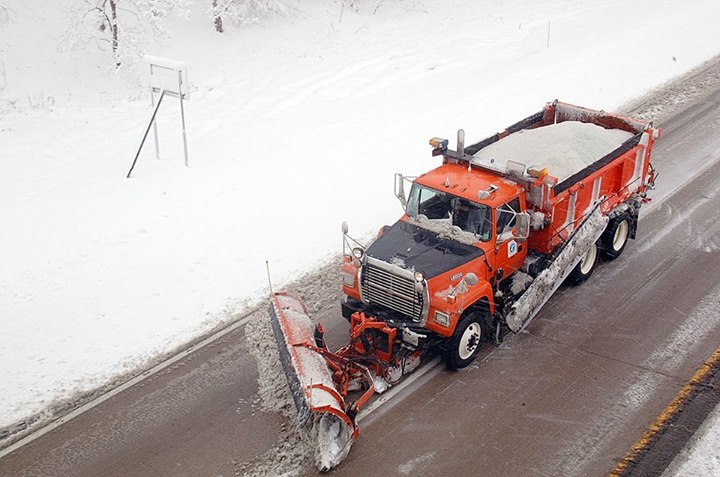
Image source: Minnesota DOT
 A recent Clear Roads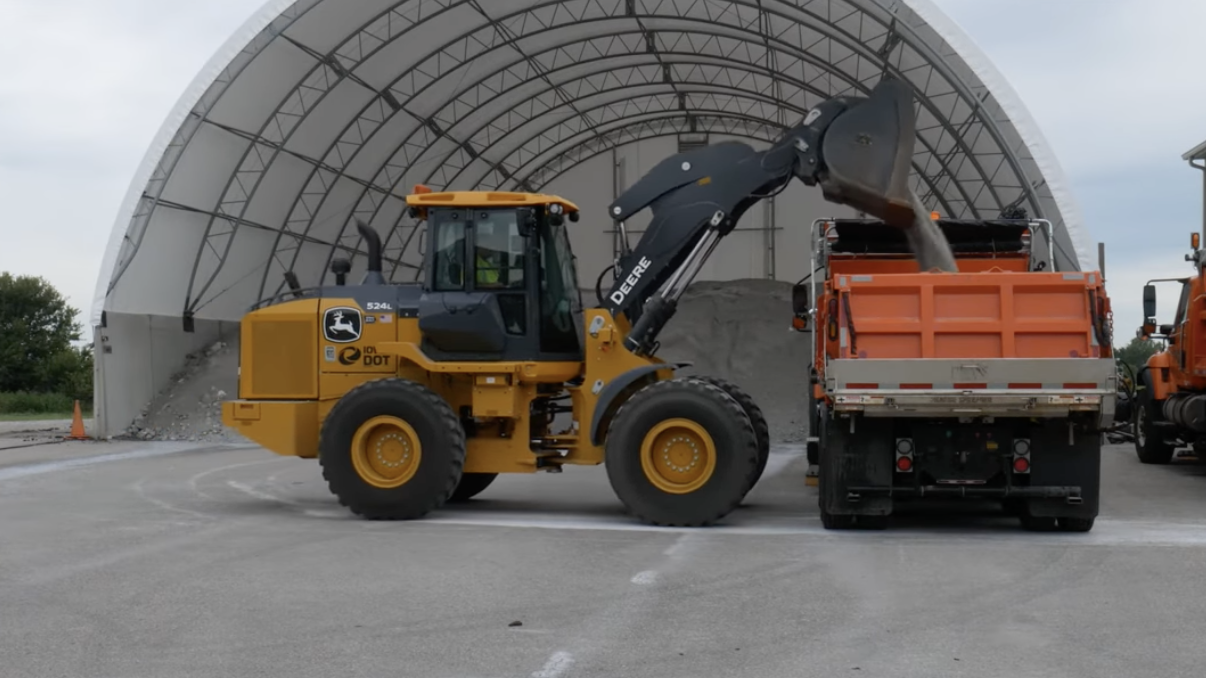
 A step-by-step guide to spreader calibration is the latest addition to Iowa DOT’s popular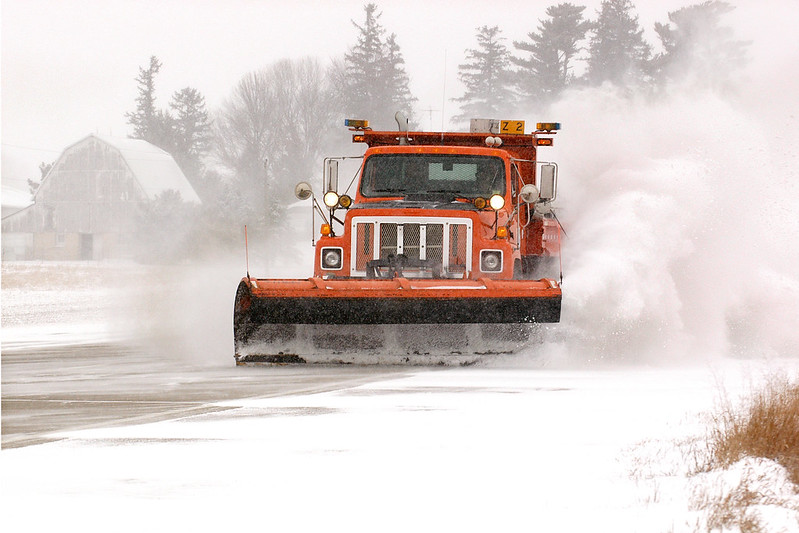
 Drivers on a stretch of Interstate 35 in southern Minnesota received advance warning this winter when snowplows were working nearby. In an effort to reduce crashes, Minnesota DOT pilot-tested technology that uses highway message signs to let motorists know when slow-moving plows are ahead on the highway.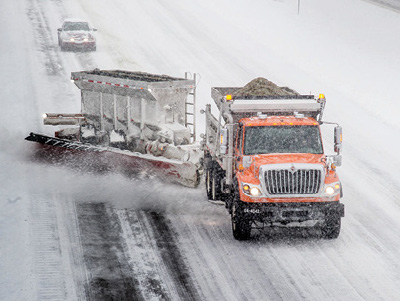
 A recent Clear Roads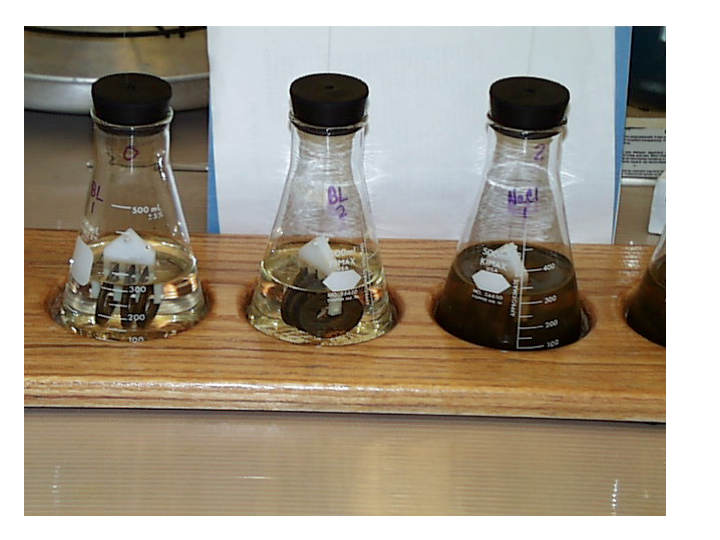
 If you’re looking for the latest research and guidance on deicers, extreme weather, or any other aspect of winter operations, be sure to check the Transportation Research Board. A recent TRB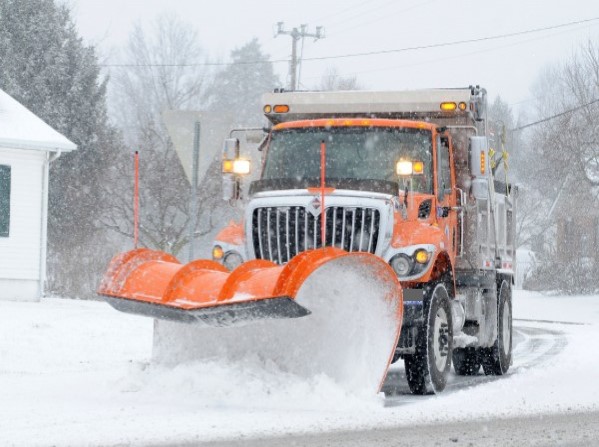
 An ongoing plow route optimization effort at Delaware DOT is yielding benefits for state residents. By optimizing selected routes for mileage efficiency, the department has been able to reduce snow removal service times and improve its level of service.